There is a moment that a lot of women in their late 40s and early 50s describe in almost exactly the same way. You eat the way you always have, you move the way you always have, and yet your body seems to be doing something completely different than it used to. The weight is shifting. The energy isn't coming back the way it should. The things that used to work, do not work anymore.
You're not imagining it. And you're not failing at something. What you're experiencing is a real, documented, physiological shift in how your body processes food, stores fat, builds muscle, and manages inflammation. Menopause changes your nutritional needs in ways that are profound and specific, and most conventional nutrition advice was never designed with you in mind.
This guide is. Whether you're in perimenopause, in full menopause, or already postmenopausal, what follows is the most comprehensive, evidence-based look at nutrition during this life stage that we know how to write. We'll cover what's changing in your body and why, what to eat more of, what to ease back on, and how the right food choices can actually support and enhance the benefits of hormone replacement therapy if you're on it or considering it.

Why your nutritional needs change at menopause
Before we get into what to eat, it helps to understand why this is happening at all. Because once you understand the underlying biology, the food recommendations stop feeling arbitrary and start feeling like actual solutions to real problems.
The metabolic shift
Estrogen does far more than regulate your reproductive cycle. It plays a central role in your metabolism, affecting how your cells respond to insulin, how your body distributes fat, and how efficiently your mitochondria (your cells' energy producers) function. When estrogen declines during menopause, several things happen at once: your basal metabolic rate slows, your insulin sensitivity decreases, and fat begins to redistribute from the hips and thighs (subcutaneous fat) toward the abdomen (visceral fat). Visceral fat is not just cosmetically frustrating. It is metabolically active tissue that drives inflammation, insulin resistance, and cardiovascular risk.
Research published in Menopause: The Journal of The Menopause Society has confirmed that the menopause transition is associated with significant increases in visceral adiposity even in women who don't gain overall weight. This is why you can eat the exact same diet you ate at 38 and end up with a very different body at 48.
Insulin resistance and blood sugar changes
Estrogen helps keep your cells sensitive to insulin. When estrogen declines, many women develop a degree of insulin resistance, meaning their cells don't respond as efficiently to insulin's signal to take up glucose. This leads to higher circulating blood sugar and insulin levels, more fat storage (especially around the abdomen), increased cravings for carbohydrates and sugar, and energy crashes after meals. This does not mean you need to eliminate carbohydrates. It means you need to be smarter about which carbohydrates you eat and when.
Changes in nutrient absorption
Lower estrogen levels also affect how well you absorb certain critical nutrients. Calcium absorption from food decreases. Vitamin D activation in the kidneys becomes less efficient. Magnesium loss through urine can increase. The gut microbiome, which plays a key role in nutrient absorption and hormone metabolism, also shifts significantly during the menopause transition. Eating to support nutrition at menopause is not just about what you put in your mouth. It's about what your body is actually able to use.
Protein: the nutrient most women are undereating
If there is one single nutritional change that would make the biggest difference for most women in menopause, it's eating significantly more protein. This is not about building a bodybuilder physique. It's about protecting the muscle mass you have, because menopause accelerates muscle loss in a way that has serious long-term consequences for your metabolism, your weight, your bone density, your strength, and your independence as you age.
Why muscle loss accelerates at menopause
The condition is called sarcopenia, and women lose an estimated 3 to 8 percent of muscle mass per decade after age 30, with that rate accelerating significantly during and after menopause. Estrogen supports muscle protein synthesis, so when estrogen declines, your muscles become less responsive to the anabolic (muscle-building) signals that protein normally triggers. You need more protein than you used to need just to maintain what you have.
How much protein do you actually need
The Recommended Dietary Allowance (RDA) for protein is 0.8 grams per kilogram of body weight per day. Researchers who specialize in aging and muscle health now largely consider this a minimum to prevent deficiency, not an optimal target, especially for women in menopause.
Current evidence suggests that menopausal and postmenopausal women benefit from 1.2 to 1.6 grams of protein per kilogram of body weight daily. For a 150-pound (68 kg) woman, that translates to roughly 82 to 109 grams of protein per day. For reference, a chicken breast contains about 35 grams, a cup of Greek yogurt contains 17 to 20 grams, and two eggs contain about 12 grams.
Most women eating a standard Western diet consume roughly 60 to 70 grams per day. That's a significant gap.
The best protein sources for menopause
- Fatty fish (salmon, sardines, mackerel, trout): Delivers protein plus omega-3 fatty acids, a powerful combination for muscle, brain, and heart health.
- Eggs: One of the most complete protein sources available, with an amino acid profile that's highly bioavailable. Don't skip the yolks.
- Greek yogurt and cottage cheese: High in leucine, the amino acid most responsible for triggering muscle protein synthesis.
- Legumes (lentils, black beans, chickpeas, edamame): Excellent plant-based protein that also brings fiber and phytoestrogens.
- Chicken, turkey, and lean meats: Versatile and high-quality sources that are easy to incorporate into meals.
- Tofu and tempeh: Soy-based proteins that provide both complete protein and phytoestrogens (more on those below).
Protein timing matters too
Research shows that spreading your protein intake across all three meals is more effective for muscle synthesis than concentrating it in one or two meals. Aim for at least 25 to 30 grams of protein per meal, with a particular emphasis on breakfast, which is where most women are most protein-deficient. Swapping cereal for eggs and Greek yogurt in the morning is one of the simplest, highest-impact nutritional changes you can make.
The Mediterranean diet: the most researched eating pattern for menopause
If researchers were forced to name a single dietary pattern with the most consistent, robust evidence supporting its benefits during menopause, the Mediterranean diet would win by a significant margin. Multiple large studies, including the PREDIMED trial and its follow-ups, have linked this eating pattern to reduced hot flash frequency and severity, lower risk of cardiovascular disease, better cognitive function and lower dementia risk, lower rates of weight gain around the abdomen, and improved bone density markers.
What the Mediterranean diet actually looks like
The Mediterranean diet is not a specific meal plan. It's a pattern of eating built around whole, minimally processed foods:
- Abundant vegetables and fruits of all colors, eaten at every meal
- Legumes as a primary protein source several times a week
- Whole grains (not refined grains) as the carbohydrate foundation
- Extra virgin olive oil as the primary fat
- Fatty fish two to three times per week
- Moderate amounts of poultry, eggs, and dairy
- Limited red meat (a few times per month rather than daily)
- Nuts and seeds as regular snacks
- Herbs and spices rather than salt for flavoring
What it is not: low fat, low carb, or calorie-restrictive in a rigid way. It's an approach to food that emphasizes quality, variety, and pleasure, which is one reason it's sustainable long-term in a way that more extreme dietary patterns aren't.
A 2023 study published in Nutrients found that postmenopausal women with the highest adherence to a Mediterranean dietary pattern had significantly lower circulating levels of inflammatory markers, including C-reactive protein and interleukin-6, compared to women with lower adherence. For a life stage characterized by increased inflammation, this matters enormously.

Phytoestrogens: soy, flaxseed, and plant estrogens
You've probably heard about phytoestrogens and wondered whether they're helpful, harmful, or just hype. The honest answer is: the evidence is genuinely nuanced, and the picture looks quite different depending on the specific compound and the individual woman.
What phytoestrogens are
Phytoestrogens are naturally occurring plant compounds that have a weak estrogen-like activity in the body. They bind to estrogen receptors, but with much lower potency than your body's own estradiol. The most studied categories are isoflavones (found primarily in soy), lignans (found in flaxseed, sesame, whole grains, and many vegetables), and coumestans (found in legumes and sprouts).
What the evidence actually shows
A 2021 meta-analysis published in Maturitas found that isoflavone supplementation reduced hot flash frequency by approximately 26 percent compared to placebo, with greater effects in women who were classified as "equol producers" (women whose gut bacteria convert certain soy isoflavones into equol, a more potent metabolite). Roughly 30 to 50 percent of Western women and up to 60 percent of Asian women are equol producers.
Flaxseed lignans have shown modest benefits for hot flash reduction in several smaller studies. A daily tablespoon or two of ground flaxseed is easy to add to smoothies, yogurt, or oatmeal and brings substantial fiber and omega-3 benefits regardless of its estrogen activity.
The safety question around soy
The concern that soy is "estrogenic" in a harmful way has been largely dispelled by research. Current evidence does not support the idea that moderate soy food consumption increases breast cancer risk. In fact, several large prospective studies including the Shanghai Women's Health Study have found that high soy intake is associated with a modestly reduced breast cancer risk, possibly because phytoestrogens act as estrogen receptor antagonists (blockers) in breast tissue even while acting as weak agonists (activators) in other tissues.
Realistic expectations: phytoestrogens are not a replacement for HRT. If you're having severe symptoms, they're unlikely to give you the relief that hormone therapy provides. But as part of a whole food dietary pattern, fermented soy foods (miso, tempeh, edamame, tofu), ground flaxseed, and a variety of legumes can contribute meaningfully to symptom management and overall health.
Anti-inflammatory eating: addressing the inflammation of menopause
One of the less-discussed but significant changes of menopause is the increase in systemic (whole-body) inflammation. Estrogen has powerful anti-inflammatory properties, so when it declines, the inflammatory brake is partially released. This contributes to joint pain and stiffness, fatigue that doesn't respond to rest, increased cardiovascular risk, accelerated cognitive aging, and a higher risk of metabolic conditions including type 2 diabetes.
The most anti-inflammatory foods
- Fatty fish high in EPA and DHA: Salmon, sardines, mackerel, and anchovies are the most potent dietary anti-inflammatories available. Aim for two to three servings per week.
- Extra virgin olive oil: Contains oleocanthal, a compound with anti-inflammatory properties similar in mechanism to ibuprofen. Use it generously.
- Berries: Blueberries, strawberries, raspberries, and blackberries are packed with anthocyanins, potent antioxidants that reduce inflammatory markers.
- Turmeric (with black pepper): Curcumin, the active compound in turmeric, has well-documented anti-inflammatory effects. Black pepper increases its absorption by up to 2,000 percent.
- Dark leafy greens: Spinach, kale, arugula, chard, and Swiss chard provide folate, vitamin K, and multiple antioxidants.
- Walnuts: One of the only plant foods with significant amounts of ALA omega-3 fatty acids, plus anti-inflammatory polyphenols.
- Green tea: EGCG (epigallocatechin gallate) is one of the most studied anti-inflammatory compounds in the food supply.
- Tart cherry: Research has shown reductions in inflammatory markers and improvements in sleep quality, a useful combination for menopausal women.
Calcium and vitamin D: protecting your bones
Bone density loss is one of the most serious long-term health consequences of estrogen decline. In the first several years after menopause, women can lose 2 to 3 percent of bone density per year, accelerating toward osteopenia and osteoporosis. Estrogen is essentially your bones' protective hormone, and nutrition cannot fully replace it. But optimal calcium and vitamin D intake can meaningfully slow this process.
Calcium: how much and from where
Women over 50 need 1,200 milligrams of calcium per day, compared to 1,000 milligrams for younger adults. Most women get far less than this from food alone.
Food sources that deliver calcium well:
- Plain Greek yogurt: 200 to 300 mg per cup
- Sardines with bones: Approximately 350 mg per 3-ounce serving
- Fortified plant milks: 280 to 450 mg per cup (varies by brand)
- Cooked kale and bok choy: 90 to 150 mg per cup (highly bioavailable despite lower amounts)
- White beans: About 130 mg per half cup
- Cheese: 200 to 300 mg per ounce depending on type
On supplementation: calcium carbonate supplements are better absorbed when taken with food. Calcium citrate can be taken any time and is better for women with lower stomach acid. Avoid taking more than 500 mg at once, as absorption decreases at higher doses. There is ongoing debate about whether calcium supplements increase cardiovascular risk. Current guidance from the Menopause Society is that getting calcium from food is preferred, with supplementation filling the gap when diet is insufficient.
Vitamin D: the often-missing cofactor
Vitamin D is essential for calcium absorption, bone metabolism, immune function, and mood regulation. Many researchers consider widespread vitamin D insufficiency a public health crisis, and menopausal women are particularly vulnerable due to reduced skin synthesis efficiency and the kidney changes mentioned earlier.
The Endocrine Society recommends that adults over 50 get 1,500 to 2,000 IU of vitamin D3 daily to maintain sufficient blood levels. Blood testing (25-OH vitamin D) is the only way to know your actual status. Most practitioners aim for a serum level of at least 40 to 60 ng/mL.
Few foods are rich in vitamin D naturally. Fatty fish, egg yolks, and UV-exposed mushrooms provide modest amounts. Supplementation is typically necessary to reach optimal levels, especially in northern climates and during winter months.
Magnesium: the most underrated mineral for menopause
Magnesium is involved in over 300 enzymatic reactions in the body and plays a particularly important role in sleep regulation, stress response, bone health (it's the cofactor for vitamin D activation), muscle function, blood sugar regulation, and cardiovascular health. During menopause, magnesium needs increase while intake and absorption often decline. It's estimated that up to 75 percent of Americans are not meeting adequate magnesium intake.
What magnesium helps with during menopause
The symptoms most clearly responsive to magnesium optimization include sleep quality and time to fall asleep, anxiety and nervous system hyperactivity, muscle cramps and tension, headaches (including migraines, which often worsen at menopause), constipation, and blood sugar regulation.
The best forms of magnesium
Not all magnesium supplements are equal:
- Magnesium glycinate: Highly bioavailable and well-tolerated, ideal for sleep and anxiety. The most recommended form for menopause symptoms.
- Magnesium malate: Good for energy production and muscle pain.
- Magnesium citrate: Well-absorbed, also has a mild laxative effect, which can be helpful or unhelpful depending on your needs.
- Magnesium oxide: The cheapest and most common form in supplements, but poorly absorbed. Avoid if possible.
Typical therapeutic doses range from 200 to 400 mg per day, taken in the evening. Food sources of magnesium include dark chocolate, pumpkin seeds, almonds, spinach, avocado, legumes, and whole grains.
Omega-3 fatty acids: brain, joints, and mood
The omega-3 fatty acids EPA (eicosapentaenoic acid) and DHA (docosahexaenoic acid) are arguably the most impactful dietary addition you can make for the specific concerns of menopause. They cross the blood-brain barrier directly, making them essential for cognitive function, mood regulation, and brain health. They reduce inflammation throughout the body. They improve triglyceride levels and cardiovascular health. They support joint lubrication. And there is emerging evidence that adequate omega-3 status may reduce hot flash frequency and severity.
A 2020 systematic review in Nutrients found that omega-3 supplementation was associated with significant improvements in depressive symptoms in perimenopausal and menopausal women, with effects that were comparable in some studies to antidepressant treatment in cases of mild-to-moderate depression.
Getting enough omega-3s
The most reliable food sources are fatty cold-water fish: salmon, sardines, mackerel, herring, and anchovies. Two to three servings per week provides roughly the amount associated with cardiovascular and cognitive benefits in research studies.
If you don't eat fish regularly, an omega-3 supplement providing at least 1,000 to 2,000 mg combined EPA and DHA daily is worth considering. Look for products that have been third-party tested for purity, as fish oils can be contaminated with heavy metals. Algae-based omega-3s are an excellent option for those who avoid fish entirely. They're the original source of EPA and DHA (fish accumulate these from eating algae), and several studies show they're as effective as fish oil.
Blood sugar management: carb quality over quantity
One of the most persistent myths in nutrition is that menopause means you need to go low-carb. The actual research tells a more nuanced story. The issue isn't the quantity of carbohydrates you eat. It's the quality and how those carbohydrates are packaged.
High-glycemic refined carbohydrates (white bread, white rice, breakfast cereals, pastries, sweetened beverages, crackers, most packaged snack foods) cause rapid blood sugar spikes followed by crashes that trigger hunger, fat storage, and energy slumps. They also contribute to insulin resistance, which is already increasing at menopause due to estrogen decline.
Low-glycemic whole food carbohydrates (legumes, intact whole grains, most vegetables, most fruits, sweet potatoes) digest slowly and provide a steady glucose release. They also deliver fiber, which is critical for blood sugar management, gut health, and hormone metabolism. The research does not support eliminating carbohydrates from the diet of menopausal women. But it strongly supports switching from refined to whole food carbohydrates, pairing carbohydrates with protein and fat to blunt the glycemic response, and eating most of your carbohydrates earlier in the day when insulin sensitivity is higher.
A practical approach: if you're eating a starch at any meal, pair it with a protein source and some fat. Rice and chicken is better than rice alone. Whole grain toast with eggs and avocado is dramatically better than toast with jam.
Gut health and the estrobolome
Your gut microbiome and your hormone levels are in constant conversation. A specific community of bacteria within the gut, collectively called the estrobolome, produces an enzyme called beta-glucuronidase that deconjugates (reactivates) estrogens that your liver has processed for elimination. When the estrobolome is healthy and diverse, it recirculates an appropriate amount of estrogen back into circulation. When it's imbalanced (dysbiotic), it can either reactivate too much estrogen or too little, contributing to hormonal disruption.
This is not a reason to eat to "boost" your estrogen through gut health alone. But it is a powerful reason to prioritize gut microbiome diversity during the menopause transition, especially if you're on HRT, since your estrobolome also affects how you metabolize exogenous hormones.
Eating for gut health at menopause
- Prioritize prebiotic fiber: This is the food your gut bacteria eat. Garlic, onions, leeks, asparagus, Jerusalem artichokes, bananas (especially slightly underripe ones), oats, and legumes are prebiotic-rich.
- Eat fermented foods: Yogurt with live cultures, kefir, kimchi, sauerkraut, miso, tempeh, and kombucha all contribute live bacteria to the gut environment. A 2021 Stanford study found that a diet high in fermented foods increased microbiome diversity and reduced inflammatory markers.
- Aim for 30 grams of fiber daily: Most American women eat 15 grams or fewer. Incrementally increasing fiber (and increasing water intake alongside it) over several weeks minimizes digestive discomfort.
- Eat a wide variety of plants: Research from the American Gut Project found that eating 30 or more different plant foods per week was the strongest predictor of gut microbiome diversity. This includes herbs, spices, nuts, seeds, legumes, fruits, vegetables, and whole grains.
Foods to eat more of during menopause
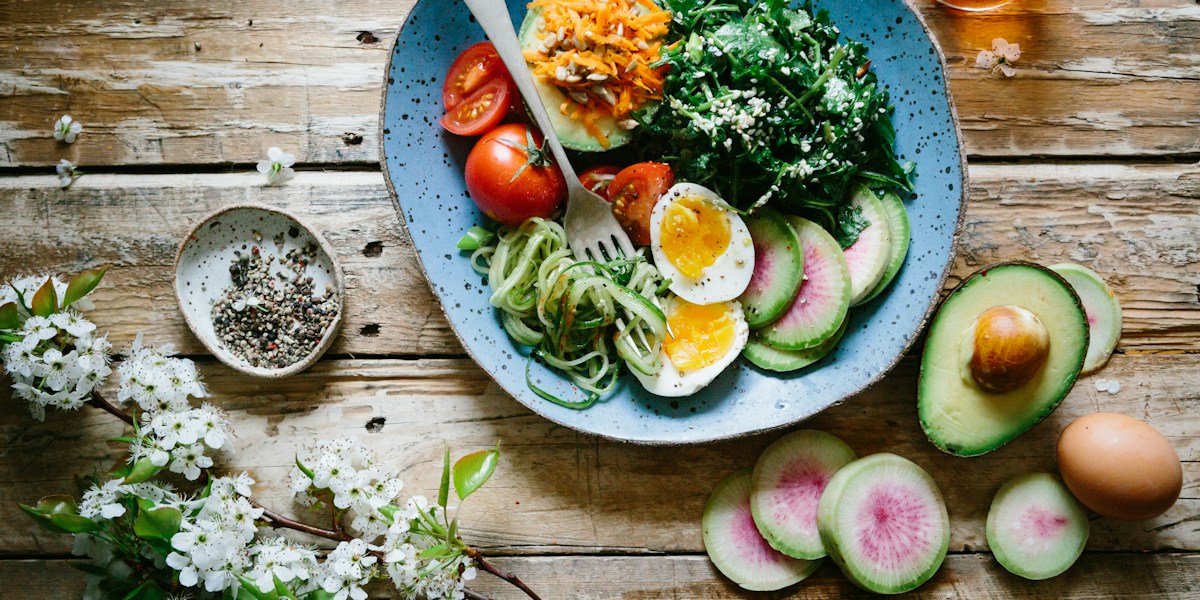
Here is a practical, specific list of foods that deserve a bigger place in your regular eating pattern:
- Fatty fish (salmon, sardines, mackerel, herring): Omega-3s, complete protein, vitamin D. Try to eat this two to three times per week.
- Flaxseed (ground): Lignans, fiber, ALA omega-3s. One to two tablespoons daily in smoothies or yogurt.
- Edamame and tempeh: Complete soy protein with isoflavones and excellent nutrient density.
- Leafy greens: Spinach, kale, arugula, chard, and collards provide calcium, magnesium, folate, vitamin K, and antioxidants. Eat them abundantly and often.
- Cruciferous vegetables: Broccoli, Brussels sprouts, cabbage, and cauliflower contain compounds (DIM, I3C) that support healthy estrogen metabolism.
- Berries of all kinds: High-antioxidant, low-glycemic, anti-inflammatory, and delicious.
- Legumes: Black beans, lentils, chickpeas, kidney beans. They tick almost every nutritional box: protein, fiber, calcium, magnesium, phytoestrogens, prebiotic fiber, and low glycemic index.
- Walnuts: The omega-3 nut. Also contain melatonin, polyphenols, and magnesium.
- Extra virgin olive oil: Use it as your primary cooking fat and on salads. It's one of the most consistently health-supportive foods in the research literature.
- Whole grains (oats, quinoa, farro, barley): Intact grains, not refined flour products. The fiber matrix slows glucose absorption and feeds beneficial gut bacteria.
- Eggs: Complete protein, choline (critical for brain health and often deficient in women), vitamin D, and leucine.
- Plain Greek yogurt: Protein, calcium, probiotics, and leucine. One of the most useful foods for menopausal women, nutritionally speaking.
- Pumpkin seeds: One of the richest food sources of magnesium and zinc, plus protein and healthy fats. A handful as a snack is a simple nutritional upgrade.
- Avocado: Healthy monounsaturated fats, potassium, magnesium, and fiber. Supports blood sugar stability when eaten with carbohydrates.
Foods to ease back on during menopause
This is not about restriction or deprivation. It's about understanding which foods have an outsized negative impact on the specific challenges of menopause, so you can make informed decisions without guilt. Most of these are fine in moderation. It's the frequency and quantity that matters.
- Refined carbohydrates and added sugars: White bread, pastries, sweetened drinks, most breakfast cereals, candy, and cookies spike blood sugar rapidly and contribute to insulin resistance, visceral fat accumulation, and inflammation at menopause.
- Ultra-processed foods: A 2024 study in The BMJ found that higher consumption of ultra-processed foods was associated with accelerated biological aging and higher rates of chronic disease. These foods also tend to displace the whole foods your body needs most.
- Fried foods: High in inflammatory omega-6 fats and advanced glycation end products (AGEs), both of which drive the systemic inflammation that worsens at menopause.
- Processed red and cured meats: Bacon, deli meats, hot dogs, and sausage are associated with increased inflammation, cardiovascular risk, and colorectal cancer risk. Whole, unprocessed red meat in moderate amounts is much less concerning.
- High-sodium packaged foods: Excess sodium raises blood pressure and draws calcium out of bones through urine, directly undermining your bone health efforts.
Alcohol and menopause: what the research shows
This section is honest and not preachy, because you deserve straight information rather than moralizing.
Hot flashes: Multiple studies have found that alcohol, particularly wine, is a trigger for hot flashes and night sweats in women who are already experiencing them. Alcohol dilates blood vessels and raises core body temperature, directly triggering the thermoregulatory misfiring that causes hot flashes. If hot flashes are a significant problem for you, reducing or eliminating alcohol is one of the highest-impact lifestyle changes you can make.
Sleep: Alcohol disrupts sleep architecture even when it initially feels sedating. It suppresses REM sleep and causes sleep fragmentation in the second half of the night. For women in menopause, who already struggle with sleep quality due to night sweats and hormonal changes, even moderate alcohol consumption can meaningfully worsen sleep.
Breast cancer risk: The relationship between alcohol and breast cancer is one of the more consistent findings in cancer epidemiology. Each additional drink per day is associated with an approximately 7 to 10 percent increase in breast cancer risk. This is not a reason to panic if you have a glass of wine with dinner, but it is information worth having when you're making choices that accumulate over time.
Bone health: Heavy alcohol use impairs osteoblast function (the cells that build new bone) and interferes with vitamin D metabolism. Moderate intake (one drink per day or less) does not appear to have the same negative effect on bone density.
The bottom line: there is no safe minimum for breast cancer risk, and alcohol clearly worsens hot flashes and sleep for many women. If you choose to drink, limiting to three to four drinks per week (rather than daily drinking) reduces the cumulative impact on all of these concerns.
Caffeine and menopause: the nuanced truth
Coffee has a complicated reputation in the menopause world. Some women find it triggers hot flashes. Others find it has no effect on their symptoms. Research is genuinely mixed on the hot flash question, likely because individual sensitivity varies significantly based on genetics, gut bacteria, and estrogen status.
What the evidence does support: the caffeine in coffee is a diuretic that increases urinary calcium loss, which can be a concern for bone health in women who are already not meeting calcium targets. Coffee on an empty stomach raises cortisol, which can worsen anxiety and disrupt sleep architecture when consumed too late in the day.
Practical guidance: if you love coffee and it doesn't seem to worsen your hot flashes or sleep, there's no compelling reason to quit. Green tea is a genuinely excellent alternative if you want to reduce caffeine while keeping antioxidant and cognitive benefits. Avoid caffeine after 1 to 2 PM. Eat something with your morning coffee rather than having it on an empty stomach.
Hydration and menopause
Estrogen helps maintain the hydration of virtually every tissue in the body, including skin, mucous membranes, vaginal tissue, and joints. When estrogen declines, dehydration effects become more pronounced and water needs increase. Hot flashes and night sweats also increase fluid loss significantly.
Many women in menopause are chronically mildly dehydrated without realizing it. Symptoms of mild dehydration overlap significantly with menopause symptoms themselves: fatigue, difficulty concentrating, headaches, and low mood. The general target of eight 8-ounce glasses per day is a rough minimum. Better guidance: drink enough that your urine is pale yellow during most of the day.
Meal timing and intermittent fasting at menopause
Intermittent fasting (IF) has become enormously popular, and you may have wondered whether it's appropriate or helpful during menopause. The answer is: it depends significantly on the approach and the individual.
Time-restricted eating (eating within an 8 to 10 hour window) has shown benefits for blood sugar regulation and metabolic health in some populations. However, several concerns are specific to women in menopause: prolonged fasting can elevate cortisol levels, under-eating protein becomes more likely with a restricted eating window, some women experience increased hot flashes and anxiety, and skipping breakfast means missing the meal where most women already undereat protein.
What seems to work well: eating within a consistent 10 to 12 hour window, stopping eating two to three hours before bed, eating the majority of calories earlier in the day, and avoiding late-night snacking on refined carbohydrates. Aggressive fasting protocols (16 to 20 hour daily fasts) are not well-studied in menopausal women and carry meaningful risks.
How nutrition supports and enhances HRT
If you're currently on hormone replacement therapy or considering it, the right nutritional choices can meaningfully amplify what HRT does for you.
Supporting hormone metabolism through the liver
Your liver is responsible for metabolizing hormones, including those delivered by HRT. Cruciferous vegetables contain compounds (DIM and I3C) that support the liver's detoxification pathways, helping estrogen to be metabolized through favorable pathways. Eating broccoli, Brussels sprouts, kale, and cabbage regularly supports this process.
Optimizing the gut estrobolome
A diet high in fiber and fermented foods supports a healthy estrobolome that processes hormones appropriately. Chronic constipation, which disrupts the recirculation-versus-elimination balance of estrogen metabolites, is worth addressing through dietary fiber, hydration, and magnesium.
Supporting bone health during HRT
HRT is the most effective intervention for preventing menopause-related bone loss. But it works best when calcium and vitamin D status are optimized. Make sure you're meeting your targets through food and supplementation while on HRT to get the full bone-protective benefit.
Managing weight during HRT
HRT does not cause weight gain in most women, and research generally shows that it reduces the accumulation of visceral fat. But it works best as part of a broader lifestyle that includes adequate protein, whole food carbohydrates, regular resistance exercise, and good sleep. Nutrition is not a replacement for hormones, and hormones are not a replacement for nutrition. They work best together.
A sample day of menopause-supportive eating
Morning
Breakfast: Two or three eggs scrambled in extra virgin olive oil with sauteed spinach, plus half a cup of plain Greek yogurt with a tablespoon of ground flaxseed, a handful of blueberries, and a small handful of walnuts. Coffee with a splash of full-fat milk or plant milk. A large glass of water before coffee.
This breakfast delivers approximately 35 to 40 grams of protein, omega-3s from both walnuts and flaxseed, calcium from yogurt, antioxidants from berries, and prebiotic fiber from the flaxseed.
Midday
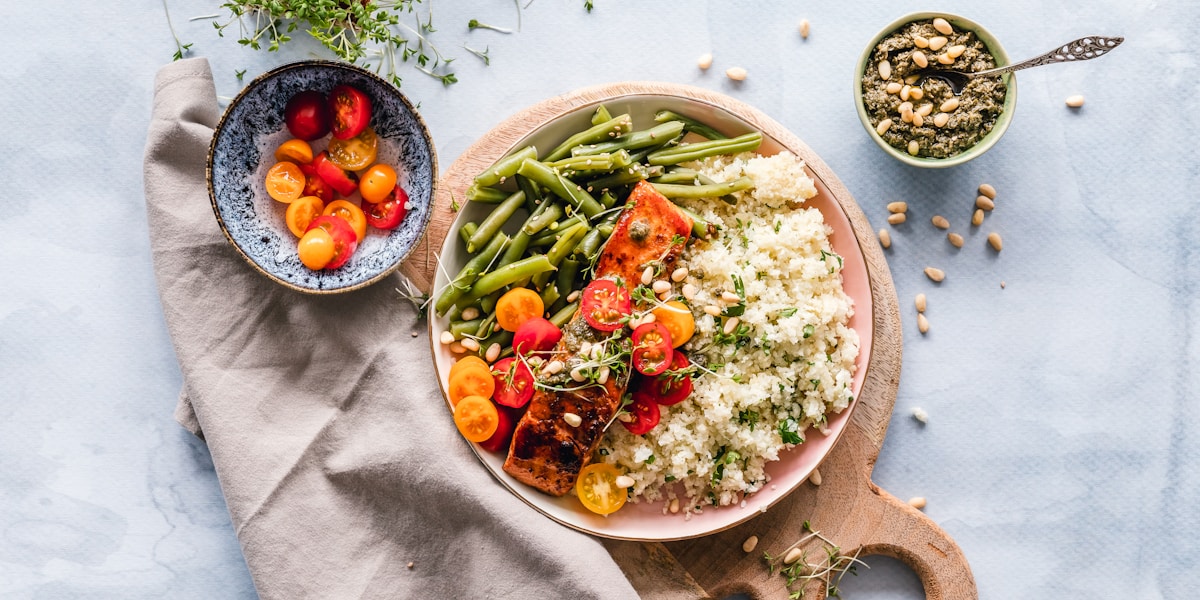
Lunch: A large salad with mixed greens, canned sardines or baked salmon, half a can of chickpeas, cucumber, cherry tomatoes, roasted red peppers, and a dressing of extra virgin olive oil, lemon juice, and Dijon mustard. A small piece of whole grain bread if you want more carbohydrates.
Afternoon snack
Snack: A small handful of pumpkin seeds and a piece of fruit, or sliced vegetables with hummus. If you had a lighter lunch, a boiled egg or a small portion of cottage cheese to continue hitting your protein target.
Evening
Dinner: Baked or pan-seared salmon with roasted broccoli and sweet potato, seasoned with turmeric, garlic, and olive oil. Or lentil soup with a large side of roasted vegetables. Or chicken stir-fry with bok choy, snap peas, and brown rice.
Evening wind-down
Stop eating two to three hours before bed. If you need something, a small amount of tart cherry juice or a magnesium glycinate supplement taken with water is sleep-supportive.
Making these changes sustainably
The biggest mistake in menopause nutrition is trying to change everything at once. A more effective approach: pick two or three changes that feel most relevant to your current symptoms, implement them consistently for two to four weeks, then add more. If you're dealing with brain fog, start with omega-3s, protein adequacy, and blood sugar stability. If bone health is your main concern, focus on calcium, vitamin D, and protein. If hot flashes are pressing, start by reducing alcohol and refined carbohydrates while adding phytoestrogen-rich foods.
And it bears repeating: nutrition is one powerful tool in your menopause health toolkit. It works best alongside appropriate exercise, quality sleep, stress management, and, for many women, hormone replacement therapy. Food cannot replace hormones, but it can absolutely make the difference between merely managing symptoms and genuinely thriving.
"The goal isn't perfection. The goal is consistently feeding your body in a way that respects what it needs right now, at this stage of your life. That's a form of self-care that pays dividends for decades."